

Blog


Related posts
Wholesale Coffee Cup and Saucer Sets: The Complete OEM Sourcing Guide for Importers

Complete OEM sourcing guide for wholesale coffee cup and saucer sets from China: pricing, MOQ, sampling process, QC standards, and shipping options for importers.
How to Order Custom Logo Mugs for Hotels & Hospitality Businesses
Complete guide for hotels and restaurants sourcing custom logo mugs from China: MOQ, printing techniques, lead times, certifications, and packaging options.
Custom Ceramic Butter Crocks for Wholesale: OEM Guide for Retailers & Importers
Planning to source custom ceramic butter crocks for wholesale? Learn about OEM options, MOQs, materials, and lead times from Artstar Homewares — a Chaozhou ceramic manufacturer supplying retailers worldwide.
Custom Ceramic Airtight Canisters for Private Label: A Wholesale Buyer’s Guide
Sourcing custom ceramic airtight canisters for your private label brand? This wholesale buyer’s guide covers MOQs, finishes, lead times, and how to work with a China OEM manufacturer like Artstar Homewares.
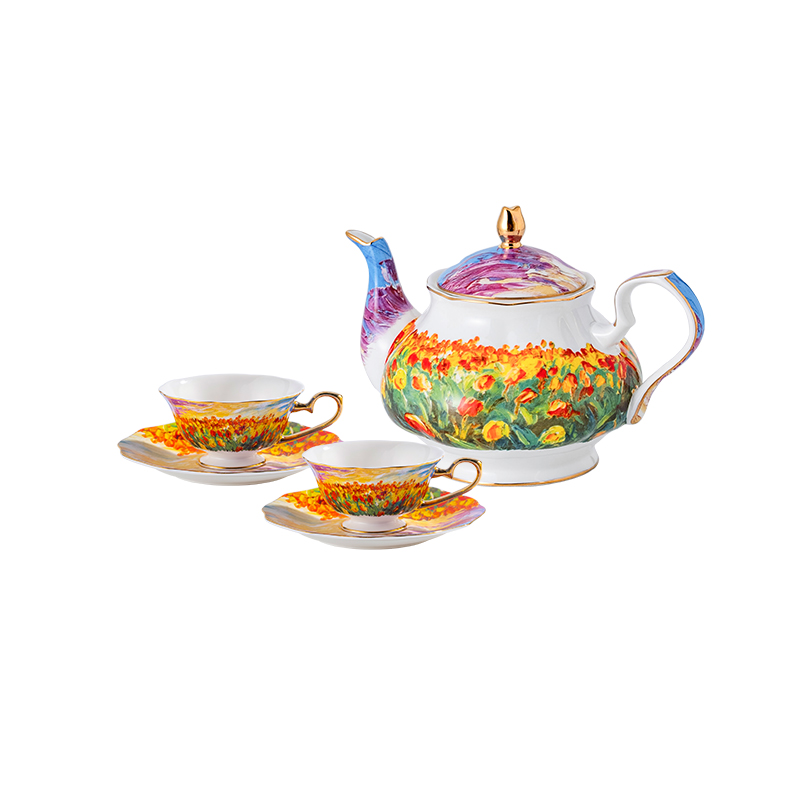
OEM vs ODM Ceramics: Which Is Right for Your Brand?
Understanding the difference between OEM and ODM ceramic manufacturing — and how to choose the right model for your brand's stage, budget, and product vision.
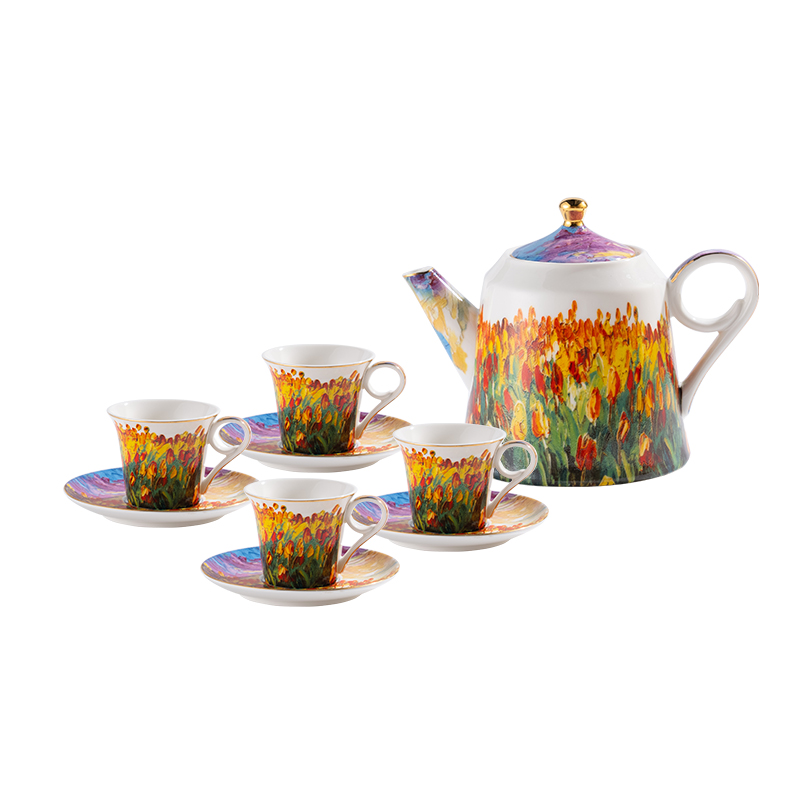
Top 5 Ceramic Tableware Trends for 2026
The five most important trends shaping ceramic tableware design and sourcing in 2026 — from glazes and shapes to sustainability and brand storytelling.
Who Makes Ceramic Teaware for Premium Tea Brands? An OEM Buyer’s Guide
How premium tea brands like T2 Tea source their ceramic teaware — and what to look for when choosing an OEM ceramic manufacturer in China for a tea brand, homeware label or specialty retailer.
Frequently Asked Questions: Sourcing Ceramic Tableware from a China Manufacturer
Answers to the most common questions buyers ask when sourcing ceramic tableware, bone china tea sets and custom ceramics from a manufacturer in China — covering MOQ, sampling, lead times, quality, certifications and shipping.
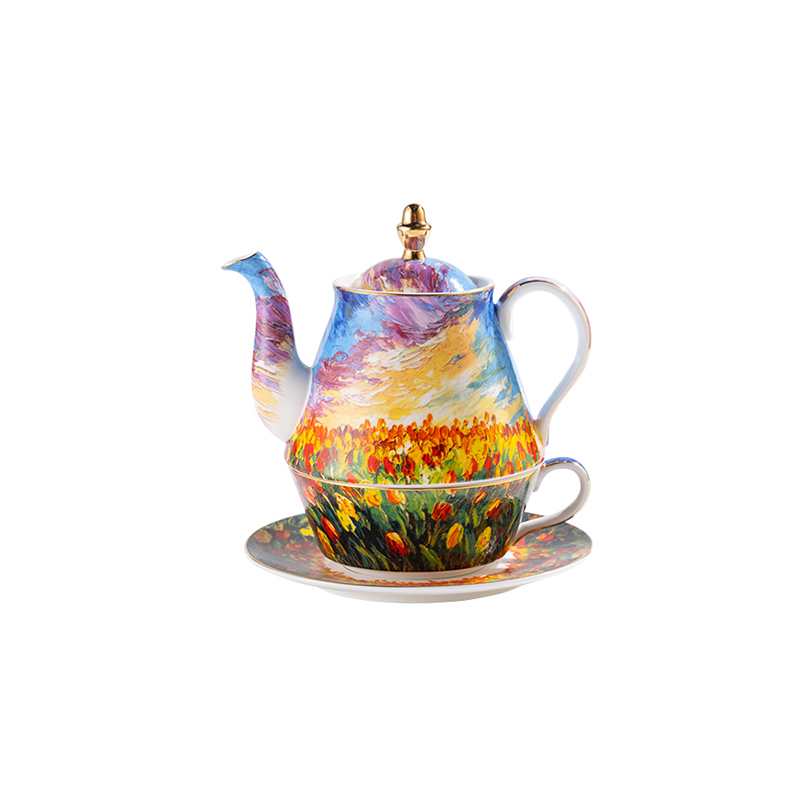
Custom Ceramic Corporate Gifts: A Procurement Guide for Brand Managers
A complete guide for procurement managers, marketing teams and corporate gifting professionals on sourcing custom ceramic gifts — including branded mugs, tea sets and gift boxes — for client appreciation, staff rewards and promotional campaigns.
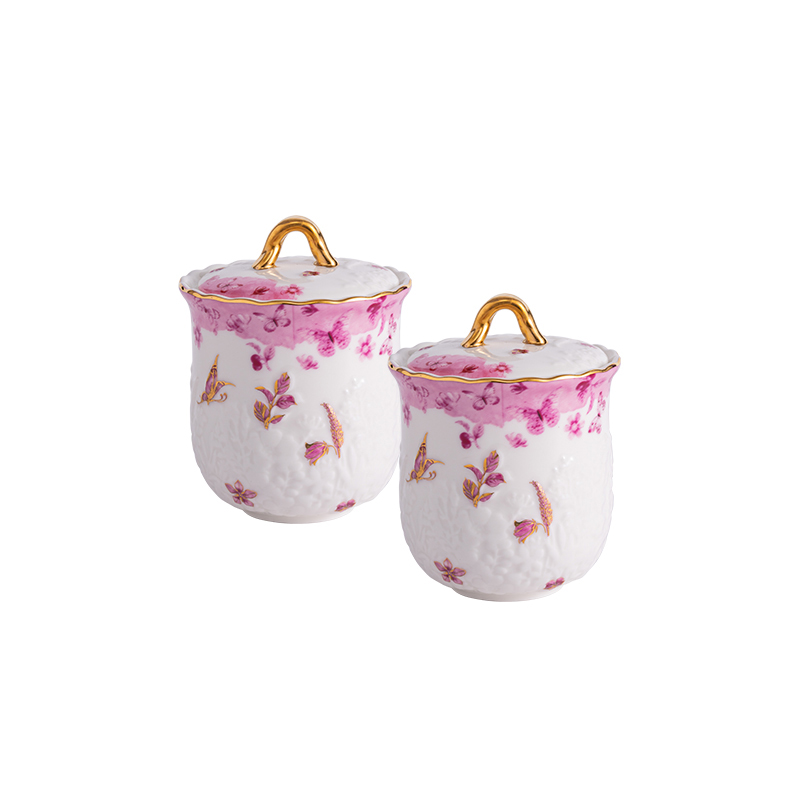
Custom Ceramic Gifts for Fragrance and Beauty Brands: A Wholesale Guide
How fragrance houses, candle brands and beauty companies use custom ceramic pieces as gift-with-purchase premiums, limited-edition sets and brand collaborations — and how to source them from a factory-direct ceramic manufacturer.
How We Supply Ceramic Teaware to T2 Tea: An OEM Case Study
A behind-the-scenes look at how Artstar Homewares manufactures custom ceramic teaware for T2 Tea — covering OEM brief, glaze development, pre-production sampling, quality control and export packing.
How Long Does Custom Ceramic Manufacturing Take? Lead Times Explained
Confused about ceramic production lead times? This guide explains exactly how long each stage takes — from design approval to delivery — for stock, semi-custom and full OEM ceramic tableware orders from China.

