
Blog

Choosing the right wholesale ceramic tableware is one of the most important purchasing decisions for any restaurant, hotel, or retail buyer. The wrong choice can mean cracked plates after three months, inconsistent colours across reorders, or hidden import costs that blow your budget.
This guide covers the five things you must check before placing a wholesale ceramic order — whether you’re sourcing for 10 tables or 10,000.
1. Know Your Material: Ceramic, Porcelain or Bone China?
The terms are often used interchangeably in supplier catalogues, but they are not the same material — and the difference matters for durability, weight and price.
- Ceramic (earthenware / stoneware): Fired at lower temperatures, slightly heavier and more rustic in feel. Excellent for casual dining and retail giftware. More affordable per unit.
- Porcelain: Fired at higher temperatures, denser, non-porous and chip-resistant. The standard choice for mid-to-upscale restaurants and hotels. Good balance of durability and cost.
- Fine Bone China: Made with a minimum of 30% bone ash (in premium grades, up to 50%). Translucent, lightweight, and exceptionally strong for its weight. The choice for luxury hospitality, branded gift sets and high-end retail. Higher unit cost but premium perceived value.
Tip for B2B buyers: If your primary concern is chip resistance in a busy kitchen environment, choose porcelain. If you’re selling gift sets or outfitting a luxury hotel, bone china commands a higher retail price and impresses guests.
2. Check Food Safety Compliance — Not Just Price
Ceramic tableware that comes into contact with food must meet the food safety regulations of your market. The two most common standards are:
- FDA (USA): Limits on cadmium and lead leaching from glazes and decals.
- LFGB (Europe): Germany’s strict food contact materials law, widely accepted across the EU.
Always ask your supplier for test reports. A reliable factory will provide current third-party lab results (SGS, Intertek or Bureau Veritas). Be wary of suppliers who only offer self-declarations without independent testing.
At Artstar Homewares, all products are tested to both FDA and LFGB standards, with updated reports available on request.
3. Understand MOQ and What It Really Means
Minimum Order Quantities (MOQ) in ceramic manufacturing vary widely depending on:
- Stock items: MOQ can be as low as 100–200 pieces. These are designs that already exist in the factory’s production line.
- Custom colour / glaze: Typically 300–500 pieces per colour, because the factory needs to mix a full batch of glaze.
- Full custom (shape + decal + packaging): Usually 500–1,000+ pieces per SKU, as new moulds and screens need to be made.
If you’re a new buyer or testing a product for the first time, look for a factory that offers paid samples (usually 1–5 pieces) before committing to a full production run. A good factory will deduct sample fees from your first order.
4. Lead Times: Plan for Reality, Not the Brochure
One of the most common problems buyers face is underestimating ceramic lead times. Here is a realistic guide:
| Order Type | Sample Lead Time | Production Lead Time |
|---|---|---|
| Stock items (existing design) | 3–5 days | 15–30 days |
| Custom colour / glaze on existing shape | 10–15 days | 30–45 days |
| Full custom (new shape + decal + box) | 15–20 days | 45–60 days |
Add 15–30 days for sea freight to Europe or North America. For holiday season orders (Christmas, Q4), place your order no later than June.
5. Quality Control: What to Ask Your Supplier
Even experienced ceramic buyers sometimes skip this step. Before you place an order, ask your supplier these questions:
- Do you have factory quality certifications? ISO 9001:2015 is the baseline. Sedex SMETA (social audit) is increasingly required by major European retailers.
- Can you send a pre-production sample before mass production starts? This is your last chance to approve colour, size and quality before 5,000 pieces are fired.
- What is your defect rate and what is your policy? A professional factory will state a maximum acceptable defect rate (typically 1–3%) and offer replacement or credit for defective goods above that threshold.
- Do you handle export packing and documentation? For large B2B orders, proper carton packing, pallet labelling, commercial invoice, packing list and certificate of origin are essential for smooth customs clearance.
Why Chaozhou, China is the World Capital of Ceramic Tableware
Over 70% of the world’s ceramic tableware is produced in Chaozhou, Guangdong Province, China. The city has a 1,000-year history of ceramic production and a complete supply chain: raw materials, mould makers, glaze suppliers, decal printers and packaging factories are all within a 30-minute radius.
This concentration drives both quality and cost efficiency — which is why retailers from Europe, North America, Australia and the Middle East come to Chaozhou to source their private-label tableware ranges.
Ready to Source Wholesale Ceramic Tableware?
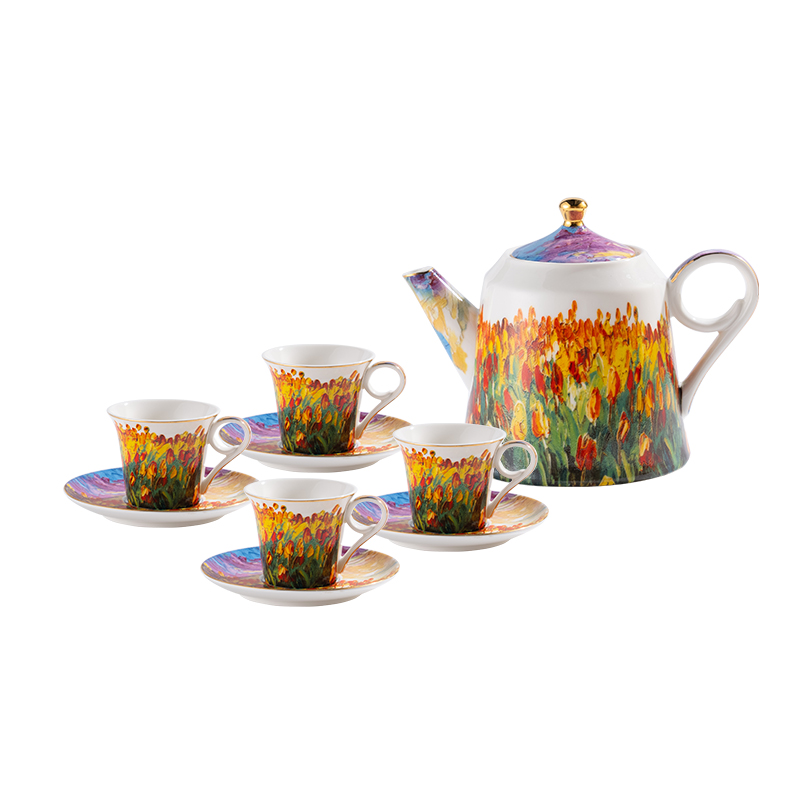
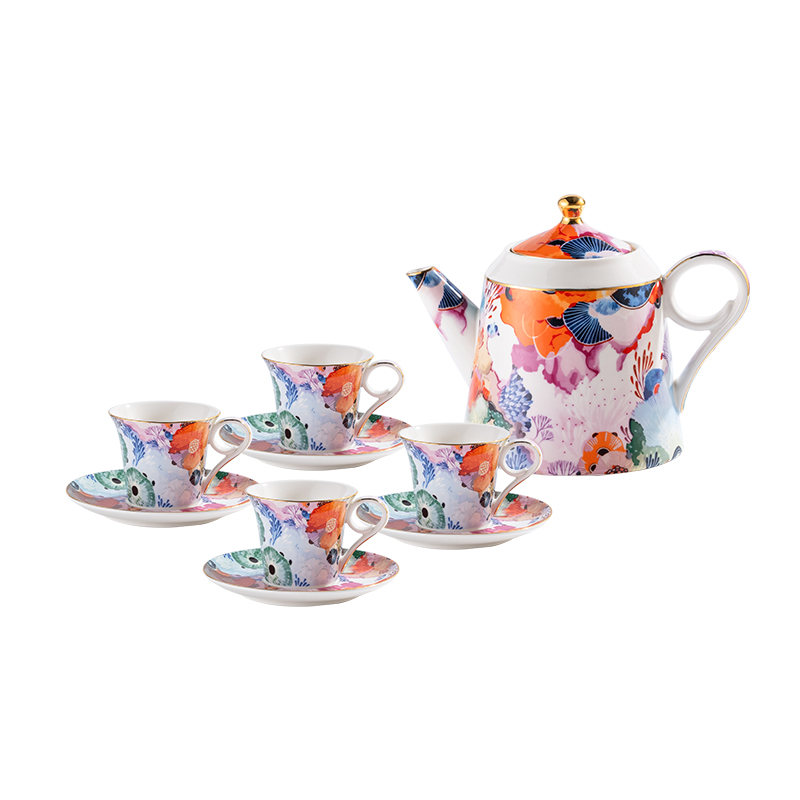
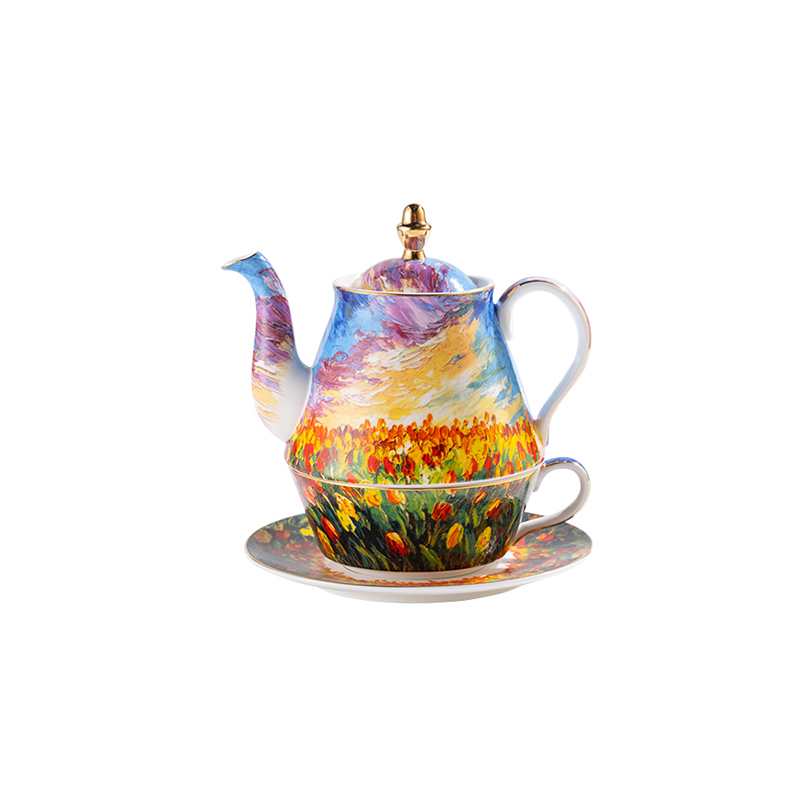
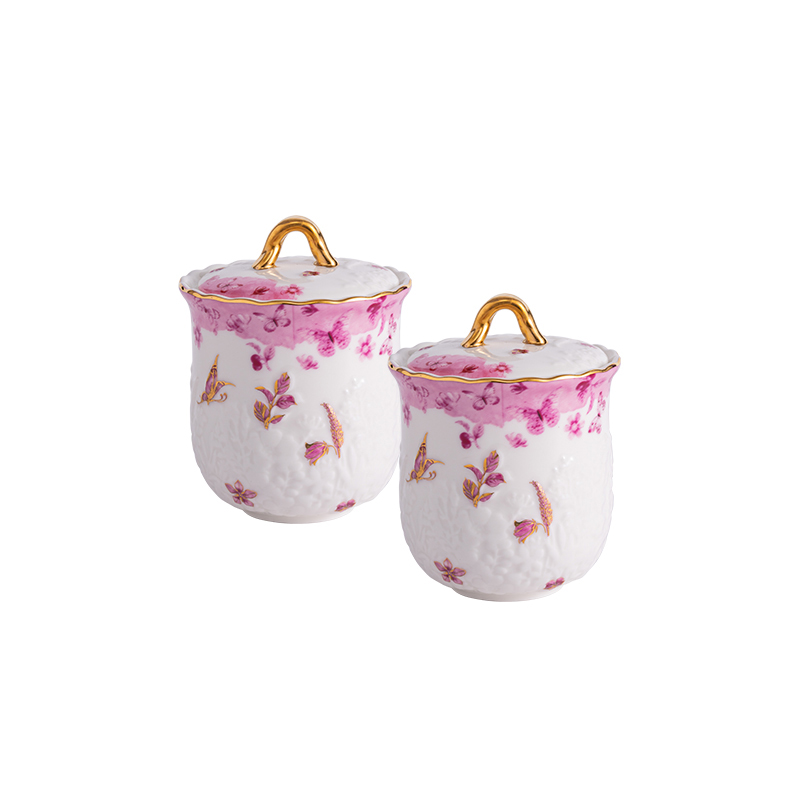
Artstar Homewares is a factory-direct manufacturer based in Chaozhou with over 14 years of experience supplying B2B buyers worldwide. Our range includes fine bone china tea sets, porcelain dinner sets, butter crocks, gift sets and more — all available with custom OEM/ODM options.
Request a free wholesale quote → or contact our sales team for a product catalogue and current price list.