
Blog

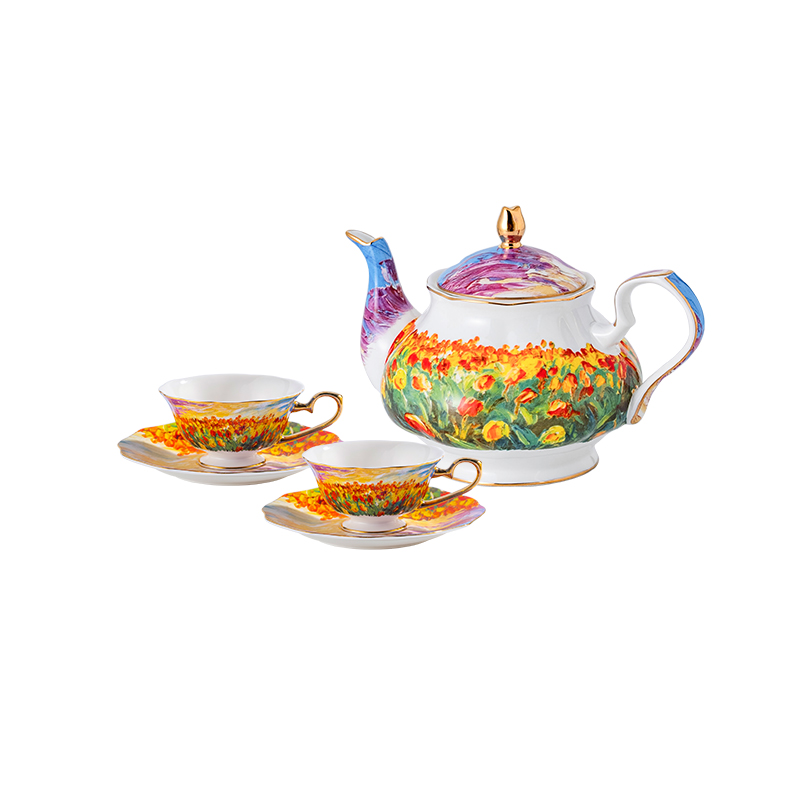
If you’ve spent more than ten minutes browsing a ceramic supplier’s catalogue, you’ve seen all three terms: bone china, porcelain and ceramic. They’re sometimes used as if they mean the same thing. They don’t — and choosing the wrong material for your use case can be an expensive mistake.
This guide is written for retail buyers, restaurant procurement managers, hotel purchasing teams and gift brand owners who need to make an informed wholesale decision. No chemistry degree required.
The Short Answer
| Property | Ceramic (Earthenware / Stoneware) | Porcelain | Fine Bone China |
|---|---|---|---|
| Firing temperature | 1,000–1,200°C | 1,200–1,400°C | 1,200–1,250°C |
| Weight | Heavier | Medium | Light |
| Translucency | Opaque | Semi-translucent (thin walls) | Translucent |
| Chip resistance | Good (stoneware) / Fair (earthenware) | Very good | Excellent (surprising given its thinness) |
| Typical use | Casual dining, retail giftware, home décor | Restaurants, hotels, everyday tableware | Luxury hospitality, premium gift sets, bridal |
| Wholesale unit cost | Lowest | Mid-range | Highest |
| Retail price potential | Low–mid | Mid–high | High–premium |
What Is Ceramic (Earthenware & Stoneware)?
“Ceramic” is the broadest category — both porcelain and bone china are technically ceramics, but in trade usage, “ceramic” usually refers to earthenware and stoneware: pieces made from natural clay bodies fired at lower temperatures.
Earthenware is porous unless fully glazed, which means the glaze is doing the heavy lifting for liquid resistance. It’s the most affordable option and is widely used in casual dining, decorative pieces and lifestyle homeware.
Stoneware is fired at higher temperatures than earthenware and is denser, heavier and more durable. It’s particularly popular in North America and Scandinavia for a rustic, artisan aesthetic — butter crocks, utensil holders and baking dishes are classic stoneware products.
Best for: Casual dining restaurants, mass-market retail, lifestyle brands, homeware gift sets.
What Is Porcelain?
Porcelain is made from refined kaolin clay (white clay) fired at temperatures above 1,200°C. The high firing produces a dense, vitrified (glass-like) body that is non-porous — no separate glaze is needed for liquid resistance, though glazing is used for aesthetics.
Porcelain is the workhorse of the professional catering and hospitality world. It’s hard, chip-resistant, dishwasher and microwave safe, and it holds its white colour well even after years of commercial washing. That’s why you’ll find porcelain on the tables of mid-to-upscale restaurants, airlines, cruise ships and hotel breakfast buffets worldwide.
Best for: Restaurants, hotels, airlines, staff canteens, mid-to-premium retail ranges.
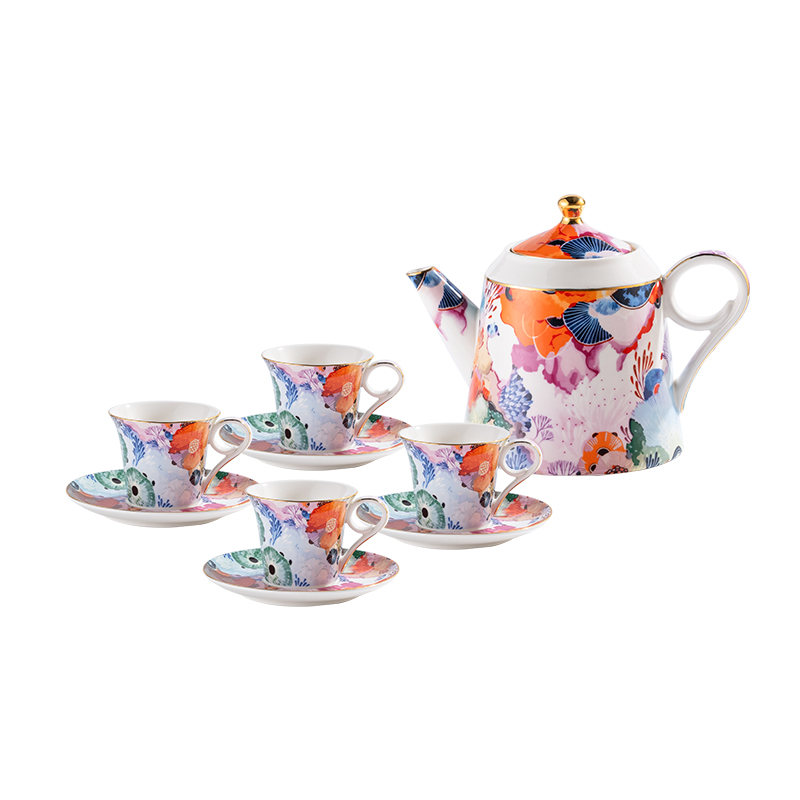
What Is Fine Bone China?
Fine bone china is porcelain with a twist: bone ash (calcined animal bone, usually cattle) is added to the clay body — typically 30–50% by weight. This changes the chemistry of the piece in three important ways:
- Translucency: Hold a bone china cup up to a light — you can see the shadow of your hand through it. This gives bone china its distinctive elegant appearance.
- Strength-to-weight ratio: Bone china is surprisingly strong despite being thin and light. The bone ash acts as a binding agent during firing, creating a very dense final product.
- Whiteness: Bone ash produces a warm, creamy white that many buyers prefer over the cooler, brighter white of standard porcelain.
The downside? Bone china costs more to produce: the raw materials are more expensive, the firing is more technical, and the production yield (percentage of pieces that come out of the kiln without defects) is lower than standard porcelain.
Best for: Luxury hotels, high-end gift sets, bridal registries, premium tea ware, branded hospitality collections.
The Question of Glazes and Decals
Whatever material you choose, the glaze and decorative elements matter just as much as the base material for a wholesale B2B buyer.
- Under-glaze decoration (the pattern is fired under the glaze): More durable, dishwasher-safe, fade-resistant. More expensive to produce.
- On-glaze / over-glaze decoration (the pattern is applied on top of the glaze): More affordable, more colour options, but less resistant to dishwasher cycles over time.
- Reactive glazes (the glaze changes colour and texture during firing): Each piece is unique. Very popular in the current “organic”, “artisan” and “wabi-sabi” aesthetic trend.
For commercial hospitality use where pieces go through 500+ dishwasher cycles per year, specify under-glaze or in-glaze decoration. For retail gift sets that will be hand-washed, on-glaze is perfectly acceptable.
Which Should You Order?
Here’s a simple decision framework:
Are you outfitting a restaurant or hotel kitchen?
→ Choose porcelain. Best durability-to-cost ratio for commercial use.
Are you creating a premium gift set or luxury retail range?
→ Choose fine bone china. The translucency and weight justify a higher retail price.
Are you sourcing casual homeware, lifestyle décor or artisan-style pieces?
→ Choose ceramic (stoneware). The rustic aesthetic and lower price point work well for this market.
Are you building a brand that spans multiple price points?
→ Artstar can supply all three materials under one roof, meaning consistent quality standards and a single point of contact for your entire range.
Get Samples Before You Commit
The best way to understand the difference between materials is to hold them. We recommend ordering a sample set that includes the same shape in both porcelain and bone china — once you feel the weight difference and hold each one up to a light, the decision becomes obvious.
Contact our team to request material samples → or browse our wholesale product range to find the style that fits your brand.