
Blog

The Real Deal with Reactive Glaze Ceramics
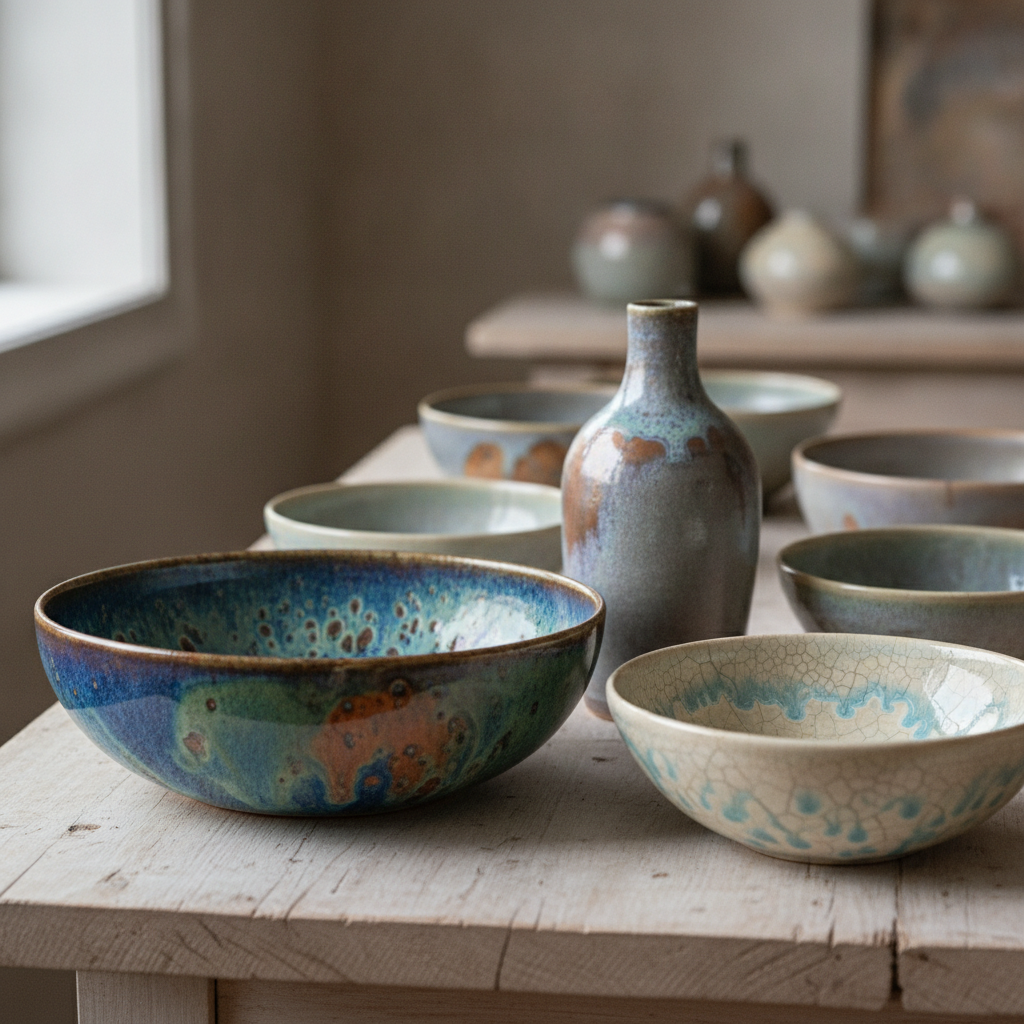
You’re looking for tableware that makes a statement. Something unique, something that whispers quality and artistry. You’ve seen those stunning, one-of-a-kind reactive glazes, and you’re wondering how to get them onto your tables. I get it. We make a lot of reactive glaze ceramics here at Artstar Homewares, and I always tell buyers it’s a beautiful process, but it’s not magic. It’s chemistry and a whole lot of experience in our kilns.
What Exactly *Is* a Reactive Glaze?
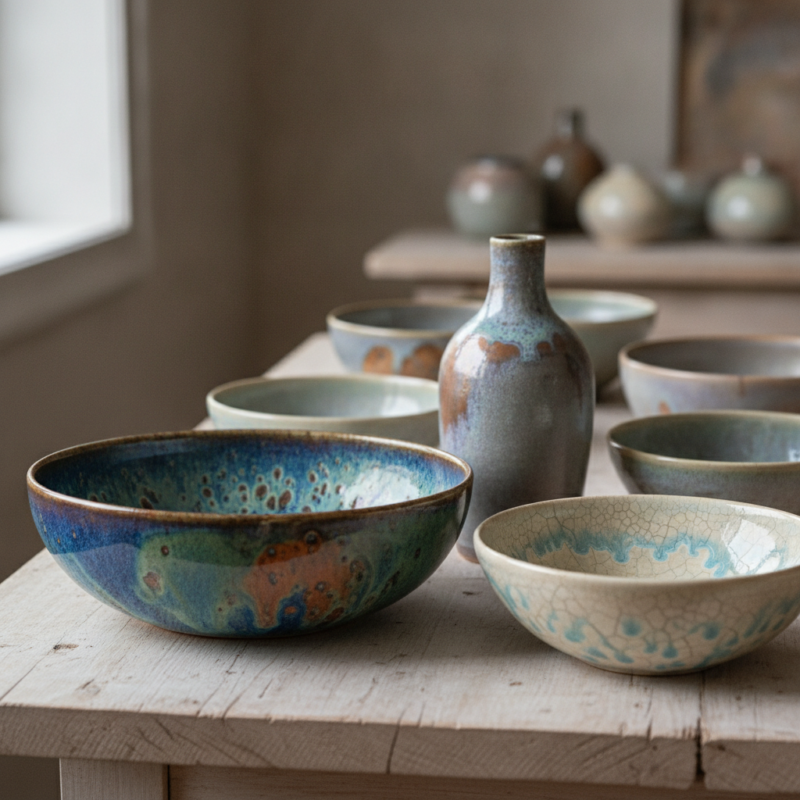
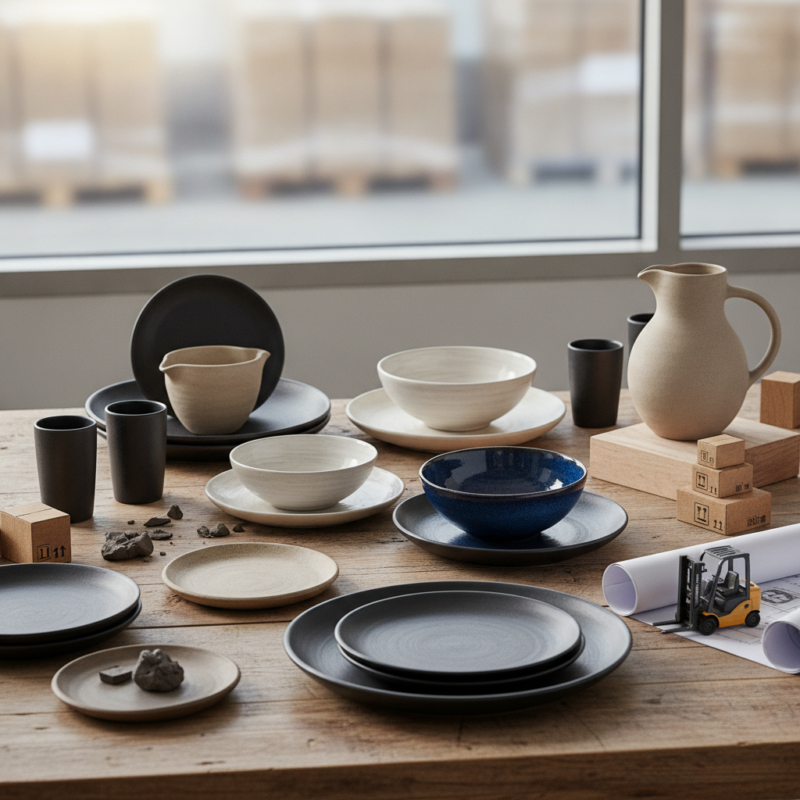
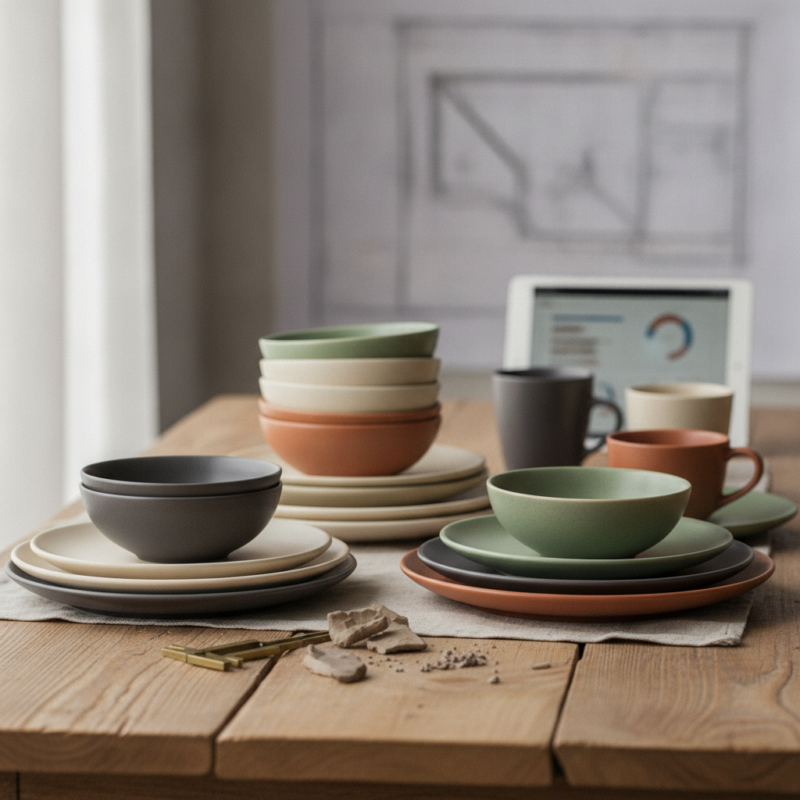
Let’s cut to the chase. A reactive glaze isn’t like a standard glaze where we mix up a precise color and fire it. It’s got metal oxides and other minerals in it that *react* with each other and with the heat inside our kiln. This reaction creates unpredictable, beautiful variations. Think swirls, speckles, subtle color shifts – no two pieces will ever be exactly alike. That’s the beauty of it, but it’s also where the challenge lies for us as manufacturers.
Why Boutique Hotels and Restaurants Love Them
The unique character of reactive glazes is what sets them apart. For a high-end restaurant or a boutique hotel, this isn’t just about serving food; it’s about the entire dining experience. A plate with a reactive glaze finish can be a conversation starter. It feels more artisanal, more carefully curated. It complements a chef’s creative plating and adds a layer of texture and visual interest that a uniform color simply can’t match.
The Art and Science: How We Achieve Those Finishes
This is where it gets interesting. Getting a *consistent* look with reactive glazes across a whole hotel or restaurant order is our biggest challenge and our greatest skill.
Understanding the Variables
So, how do we get those blues that bleed into greens, or those earthy tones with unique speckles? It comes down to several key factors:
- The Glaze Mix: We start with a base glaze formulation, but the specific metal oxides we add (like copper, iron, cobalt) are critical. Different oxides react differently.
- Firing Schedule: This is huge. The temperature, the rate of heating and cooling, and even the atmosphere inside the kiln (is it oxidizing or reducing?) all play a massive role in how the glaze develops. We’ve spent years perfecting these schedules for specific reactive effects.
- Piece Placement: Believe it or not, where a piece sits in the kiln can influence the outcome. Areas closer to the heat source or with different airflow can lead to subtle differences. This is why we group similar items together and manage kiln loads carefully.
- Clay Body: The ceramic body underneath the glaze also matters. Different clay bodies absorb the glaze differently and can influence the final color and texture. We primarily use high-quality porcelain and new bone china for reactive glazes because they hold up well to the firing temperatures and give us a clean canvas.
Decal vs. Hand-Painting vs. Reactive Glaze
It’s important to distinguish reactive glazes from other decorative techniques.
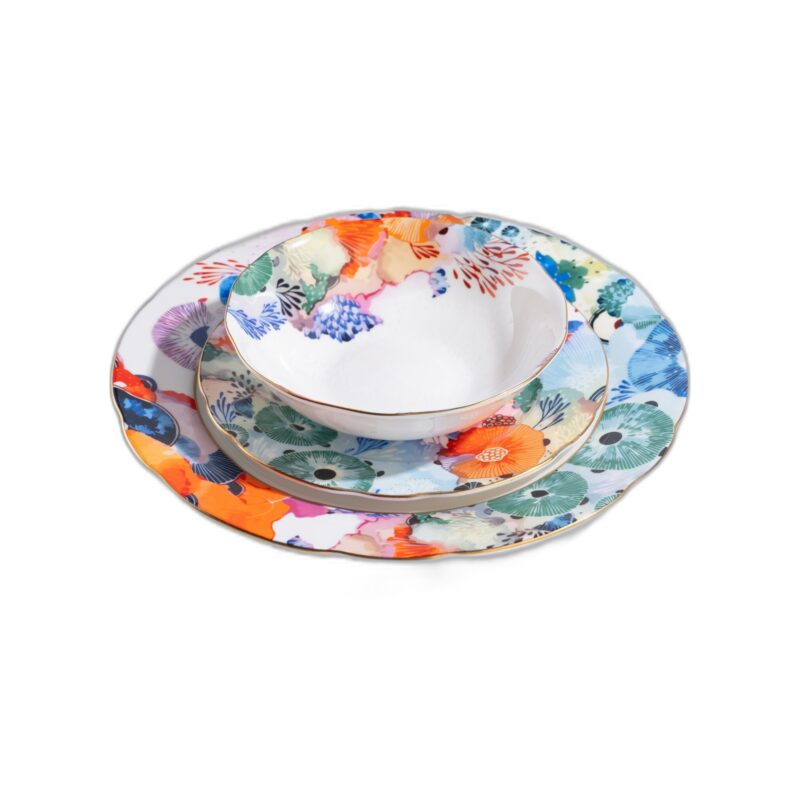
- Decals: These are like stickers applied to the fired glaze, then fired again at a lower temperature to fuse them. They give you precise, repeatable designs, but they lack the organic, one-of-a-kind feel of a reactive glaze.
- Hand-Painting: This is done with ceramic paints and brushes. It can be very artistic, but it’s labor-intensive and can be expensive for large quantities. Each piece is truly unique, but consistency is a challenge, and the cost goes up.
- Reactive Glaze: This is a glaze *finish* applied to the ceramic body. The variation happens *during* the firing. It’s about achieving a consistent *style* of variation, not identical pieces.
Sourcing Reactive Glazes: What Buyers Need to Know
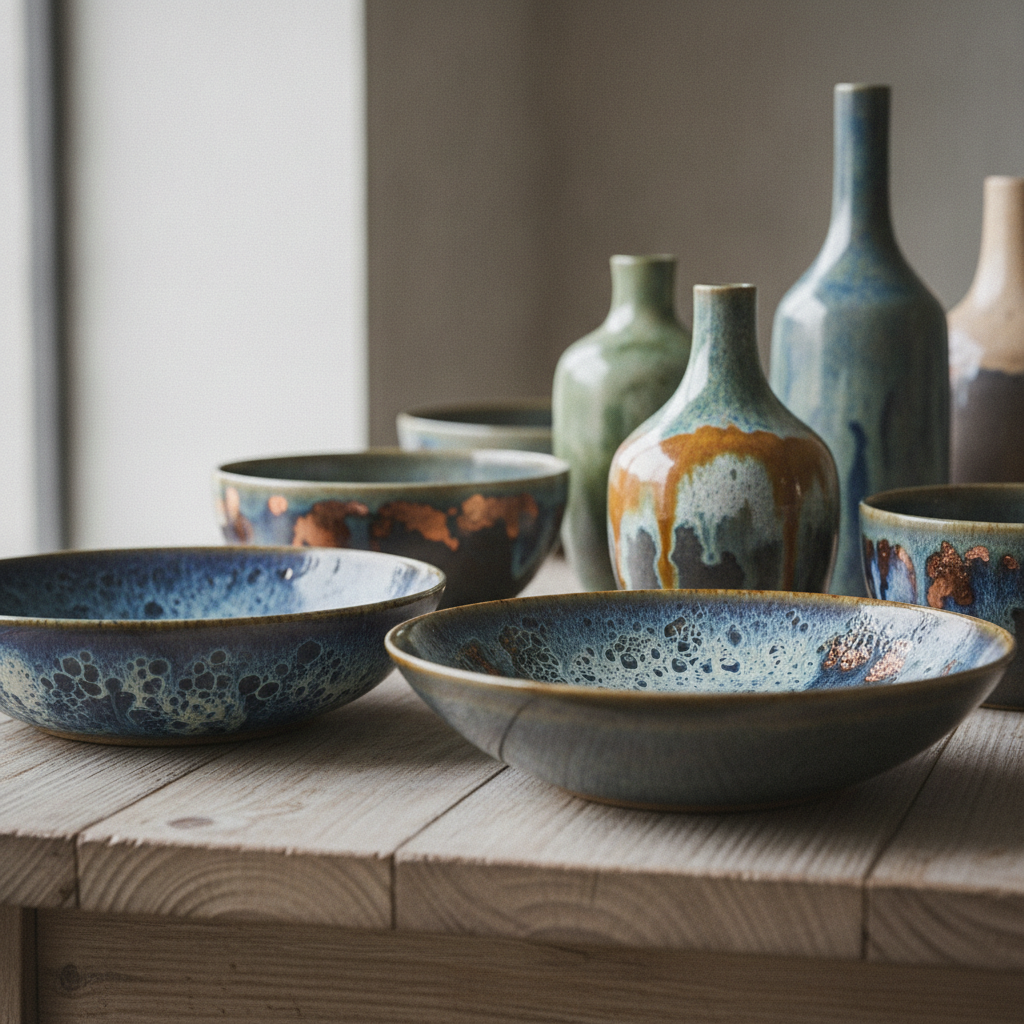
When you’re looking to source reactive glaze ceramics, especially for a commercial project, there are practicalities you need to understand from a factory perspective.
MOQs and Lead Times
This is probably the most important point for any wholesale buyer. Because reactive glazes are less predictable, we have to manage production runs carefully.
- Ready Stock: If you see something in our ready stock catalog, the MOQ is often as low as 24 pieces. These are items we’ve produced with popular reactive finishes.
- Logo Application (on stock items): If you want to add your logo to our existing reactive glaze stock items, the MOQ is typically 100 pieces. We’ll screen print or decal your logo on.
- Custom Pattern on Existing Shape: If you like one of our standard shapes but want a specific reactive glaze colorway or a custom reactive-inspired pattern, the MOQ is usually around 500 pieces per item. This allows us to set up the glaze application and firing for your specific needs.
- New Mould/Shape: If you need a completely new shape designed and produced, the MOQ for reactive glazes starts at 1,000 pieces. Developing a new mould takes time and investment, and we need sufficient volume to justify it.
Lead times for reactive glaze orders are generally a bit longer than for standard items because we often need to test batches and manage the firing process more closely. Expect around 35–45 days from order confirmation for custom runs, plus shipping time.
Quality Control: Our Process for Reactive Glazes
Ensuring quality with reactive glazes is a multi-step process. It’s not just about checking for cracks or chips.
- Glaze Application Consistency: We check for evenness of application, ensuring there aren’t bare spots or excessive drips where unintended.
- Firing Outcomes: Our QC team inspects each piece coming out of the kiln for the desired reactive effects. We’re looking for the characteristic variations, not defects.
- Color Matching (within a range): While identical color is impossible, we aim for a consistent *range* of color and effect across a batch. If a piece is wildly different from the agreed-upon sample, it’s pulled.
- Surface and Durability: We check for pinholes, crazing (unless it’s an intended effect), and ensure the glaze is durable and food-safe. All our glazes are lead-free and cadmium-free, meeting international standards.
- Standard Testing: We also perform standard tests for thermal shock resistance and dishwasher safety, especially for hotel and restaurant ware.
Bone China vs. New Bone China vs. Porcelain
The base material matters, especially with reactive glazes.
- Bone China: This is the premium material, made with bone ash. It’s incredibly strong, translucent, and has a warm, creamy white color. Reactive glazes on bone china can achieve a beautiful depth. However, it’s more expensive and can be more prone to chipping if not handled with care, though its inherent strength often surprises people.
- New Bone China: This is a popular alternative. It’s made without bone ash but uses different additives to achieve a similar hardness and translucency, though usually a cooler white. It’s generally more durable and cost-effective than true bone china. Reactive glazes look fantastic on it.
- Porcelain: This is a very strong, dense ceramic. It fires at high temperatures and is excellent for durable tableware. Reactive glazes on porcelain can have a slightly different texture and appearance compared to bone china, often appearing a bit more matte or earthy depending on the glaze.
For most high-end restaurants and hotels needing durable, unique tableware, we often recommend new bone china or porcelain for reactive glazes due to their balance of aesthetics, durability, and cost.
A Note on Consistency: The Honest Caveat
I need to be upfront here. If you need absolute, 100% identical pieces, reactive glazes are likely not your best option. That’s the nature of the beast. Our goal is to achieve a beautiful, cohesive *collection* where each piece has its own subtle charm, contributing to an overall unique aesthetic. We manage the process to keep variations within an acceptable, artistic range.
We’ve worked with many clients who appreciate this unique quality. They understand that the slight variations are part of the charm and the story behind the tableware. It’s what makes their establishment feel special.
Getting unique reactive glaze ceramics for your establishment is a rewarding process. It requires clear communication, understanding the production realities, and trusting your manufacturer’s expertise. We take pride in our ability to bring these beautiful, complex glazes to life.
If you’re ready to explore custom reactive glaze designs or have questions about our existing collections, please reach out. We’d love to discuss your project and provide a quote.
Frequently Asked Questions
What is the typical MOQ for reactive glaze dinnerware orders?
Our standard MOQ for reactive glaze dinnerware is 1000 pieces per design and color.
How long does production take for a custom reactive glaze order?
Production lead time for custom reactive glaze orders is typically 45-60 days after sample approval.
Can we use our own logo or branding on reactive glaze pieces?
Yes, we offer OEM services and can apply your custom logo or branding through decal printing or embossed designs.
What materials are used for your reactive glaze ceramics?
We primarily use high-quality ceramic clay and bone china materials for our reactive glazes.
Are reactive glazes food-safe and lead-free?
All our reactive glazes are formulated to be food-safe and comply with international standards for lead and cadmium release.
What is the process for developing a unique reactive glaze color?
You provide a color sample or Pantone code, and our technicians will develop a custom glaze formulation. This usually takes 1-2 weeks for initial samples.
Do you offer different reactive glaze finishes, like matte or high gloss?
Yes, we can achieve various reactive glaze finishes, including matte, glossy, and semi-matte effects.
How are reactive glaze pieces typically packed for shipping?
We use standard export packaging with protective materials like bubble wrap and sturdy cartons to ensure safe transit.
What are the shipping options from your factory in Chaozhou?
We offer FOB Chaozhou shipping terms and can arrange sea freight or air freight based on your requirements.
Can we get samples of reactive glaze designs before placing a bulk order?
Yes, we provide pre-production samples for your approval. Sample costs are typically charged and credited towards your bulk order.