

Blog


Related posts
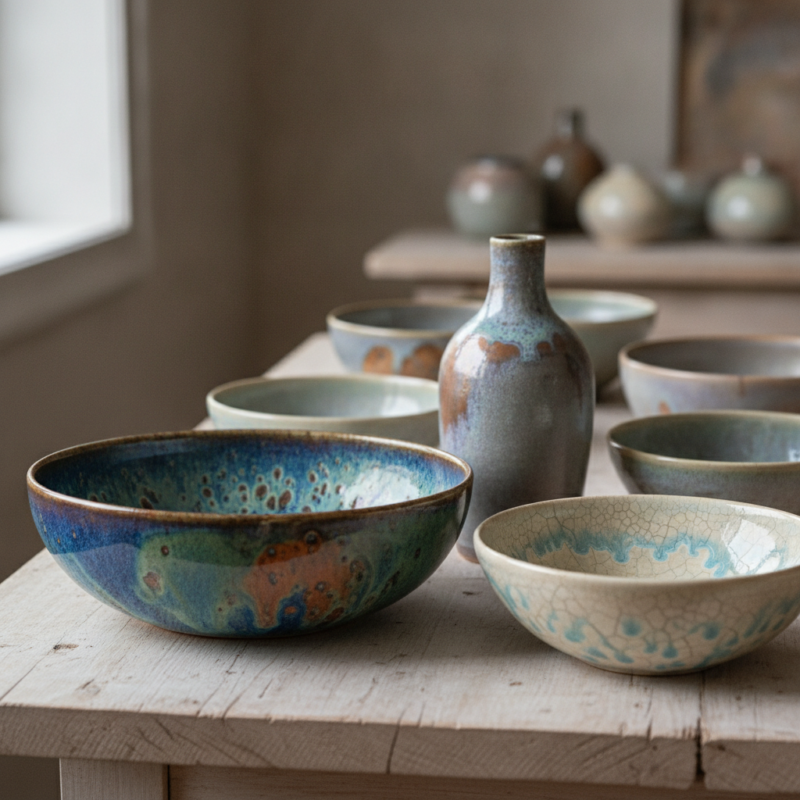
Reactive Glaze Deep Dive: Achieving Unique Finishes for Boutique Hotels & Restaurants

You're looking for tableware that makes a statement. Something unique, something that whispers quality and artistry. You've seen those stunning, one-of-a-kind reactive glazes, and you're wondering
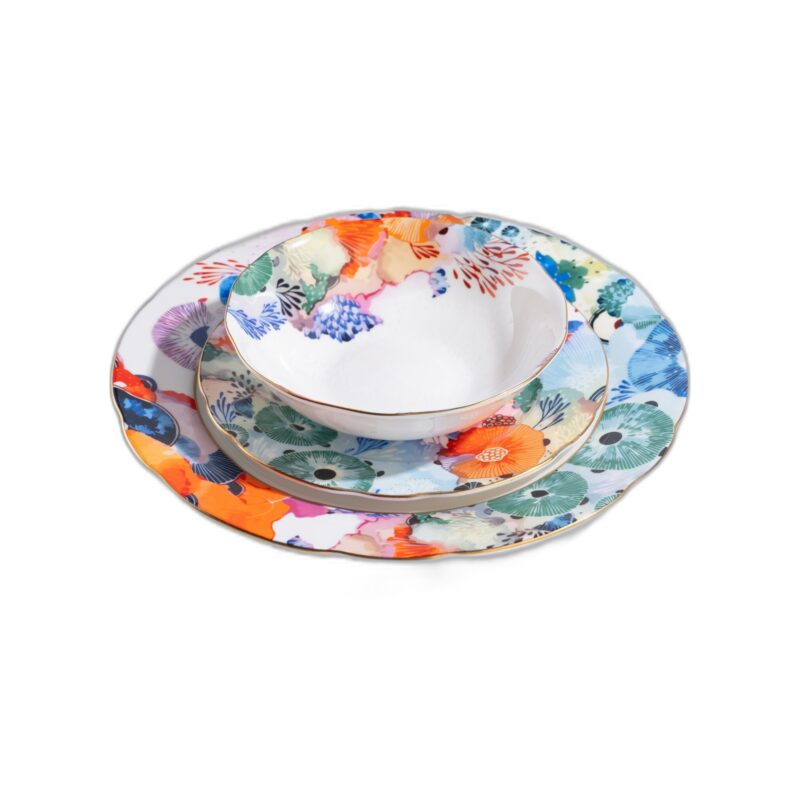
Beyond the Basics: Deep Dive into Ceramic Material Properties for Durability
Our standard MOQ is 1000 sets per design. This allows us to efficiently manage production and material sourcing.
What actually breaks on a ceramic OEM order
Five factory-floor failures on ceramic OEM orders: glaze colour, gold rims, packaging, audits vs food-contact tests, and MOQ by job type.
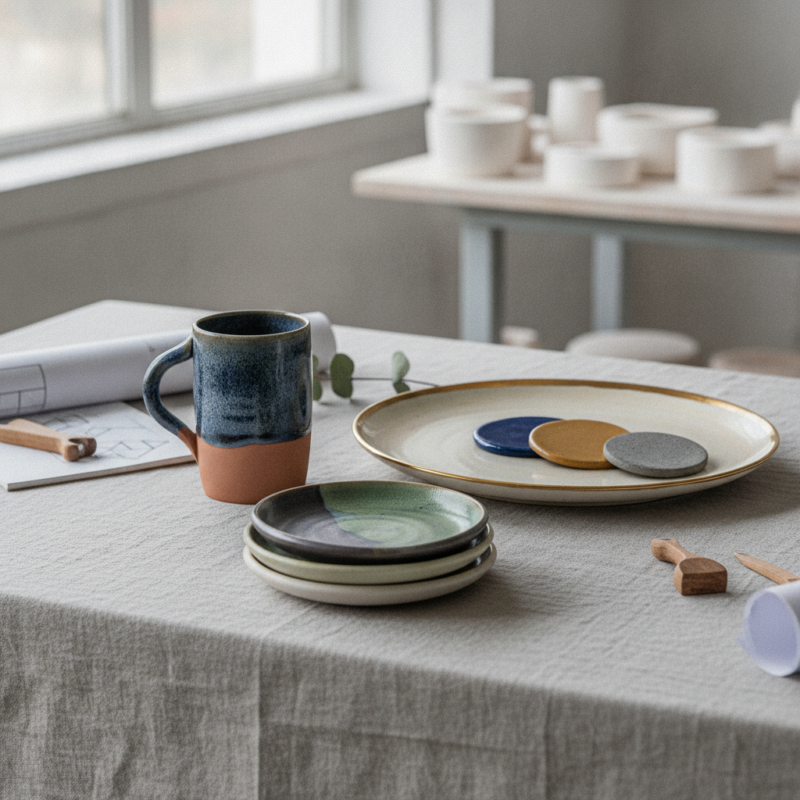
Navigating Custom Sample Orders: Costs, Lead Times, and What to Expect
When you're looking to create something special for your brand, custom ceramic tableware is exciting. We get it. There’s nothing quite like seeing your vision come to life in porcelain or bone china.
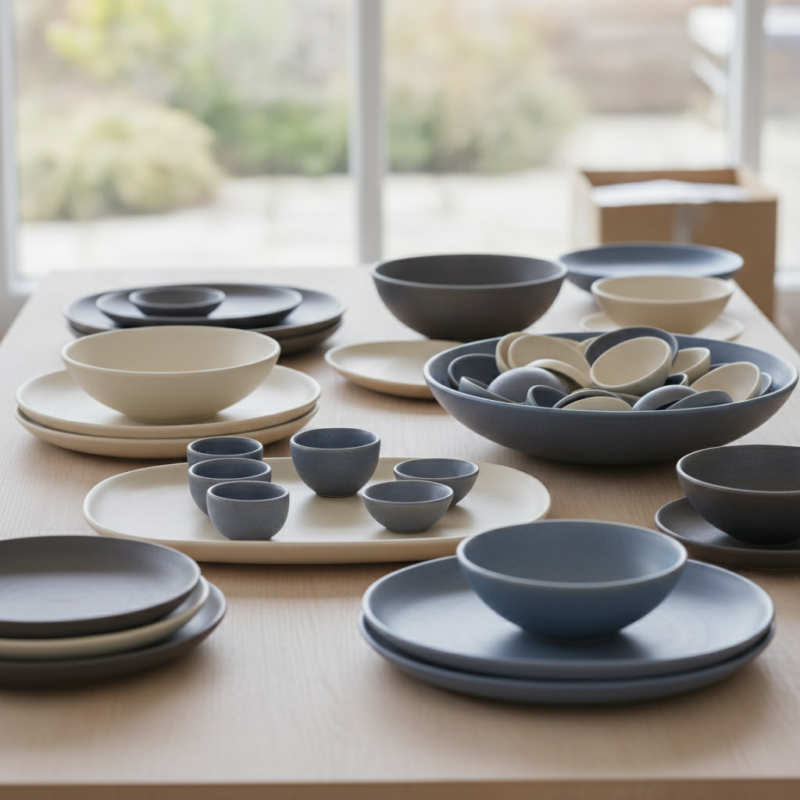
Sourcing Wholesale Ceramic Serving Platters & Bowls: A Buyer’s Guide
Our MOQ for standard designs is 500 pieces per item. For custom-molded designs, the MOQ increases to 1,000 pieces per item due to mold setup requirements.
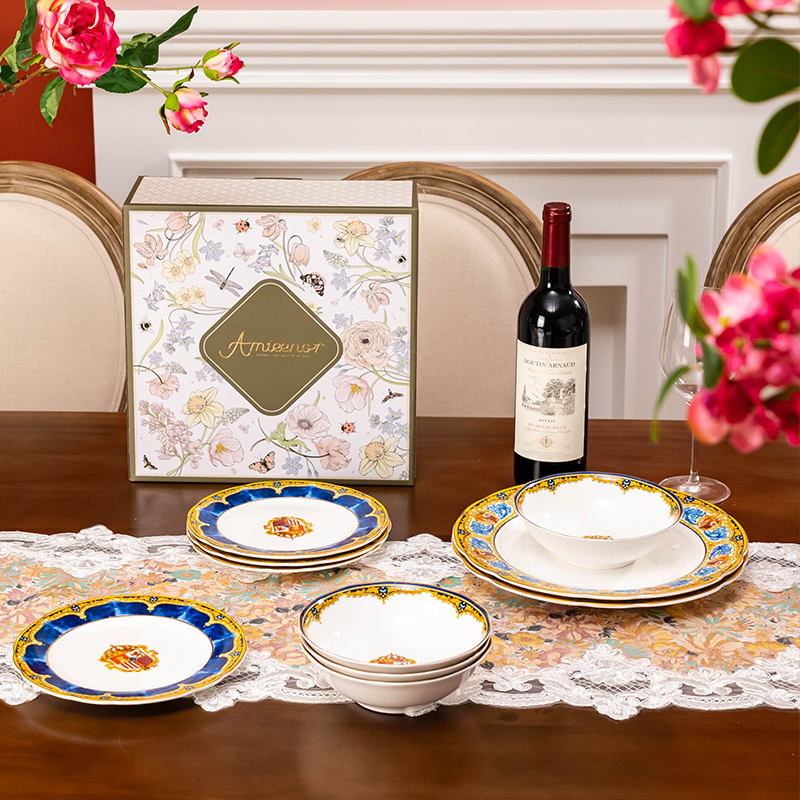
Beyond Glossy: Choosing the Right Glaze Finish for Wholesale Ceramic Dinnerware
When you’re sourcing wholesale dinnerware, it’s easy to get caught up in the shape, the pattern, or the material itself – porcelain, bone china, new bone china. All crucial, of course. But there’s
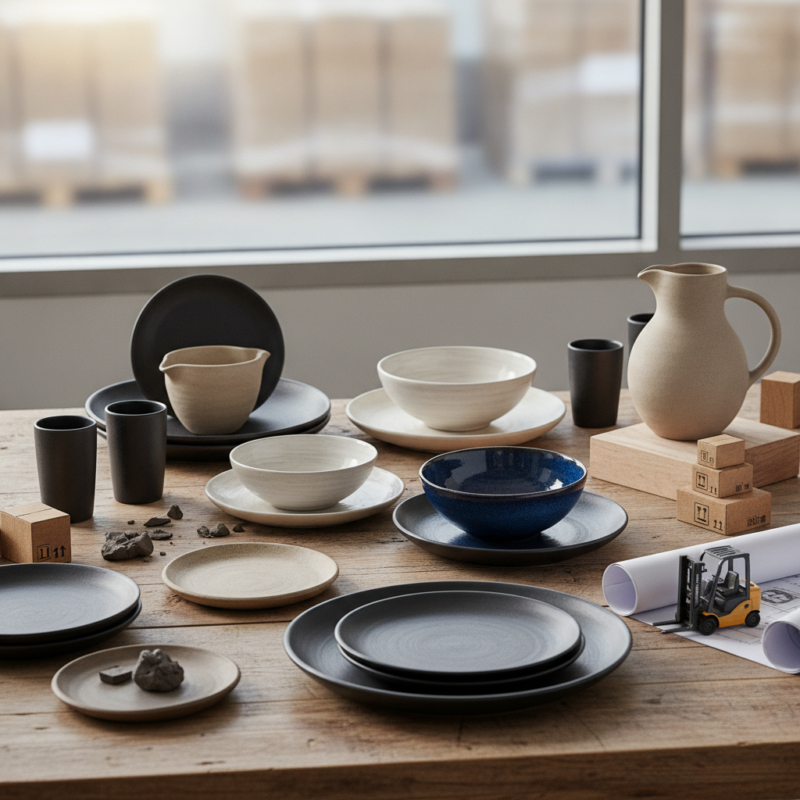
Navigating China Ceramic Exports: A Buyer’s Guide to Yantian Port Logistics & Carton Marking
Here’s what we typically put on each master carton, and what you should expect from any factory you work with:
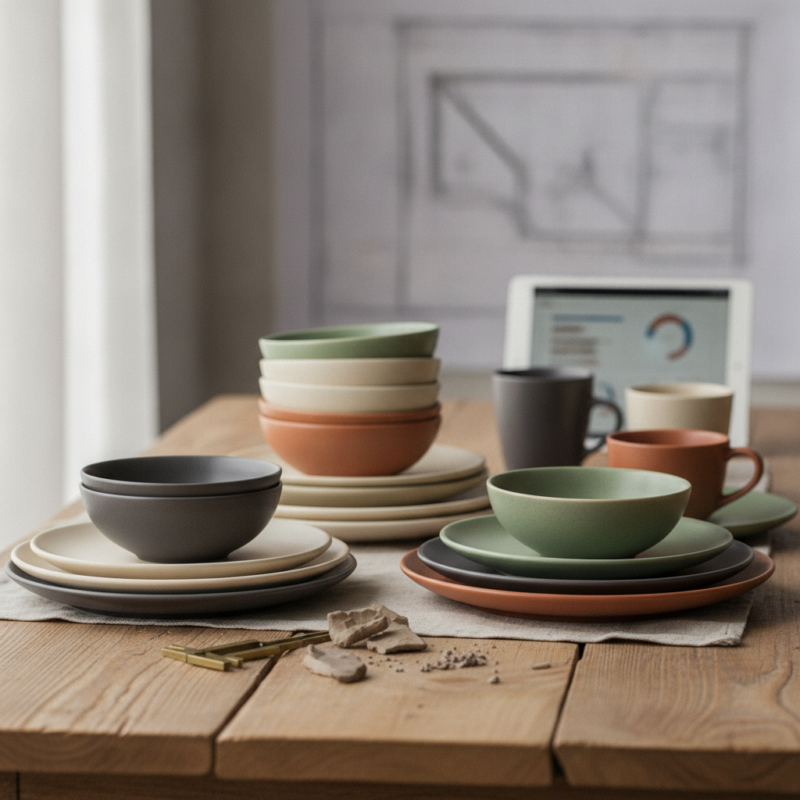
Sedex Audits for Ceramic Factories: What B2B Buyers Need to Know
You’re looking for a reliable ceramic supplier, aren't you? Someone who consistently delivers quality tableware, on time, and without drama. That's what we aim for here at Artstar Homewares. But
Your Essential QC Checklist for Importing Ceramic Tableware from China
Our MOQ for standard ceramic tableware is 500 pieces per item. For custom designs or specific glazes, the MOQ is 1000 pieces per design.
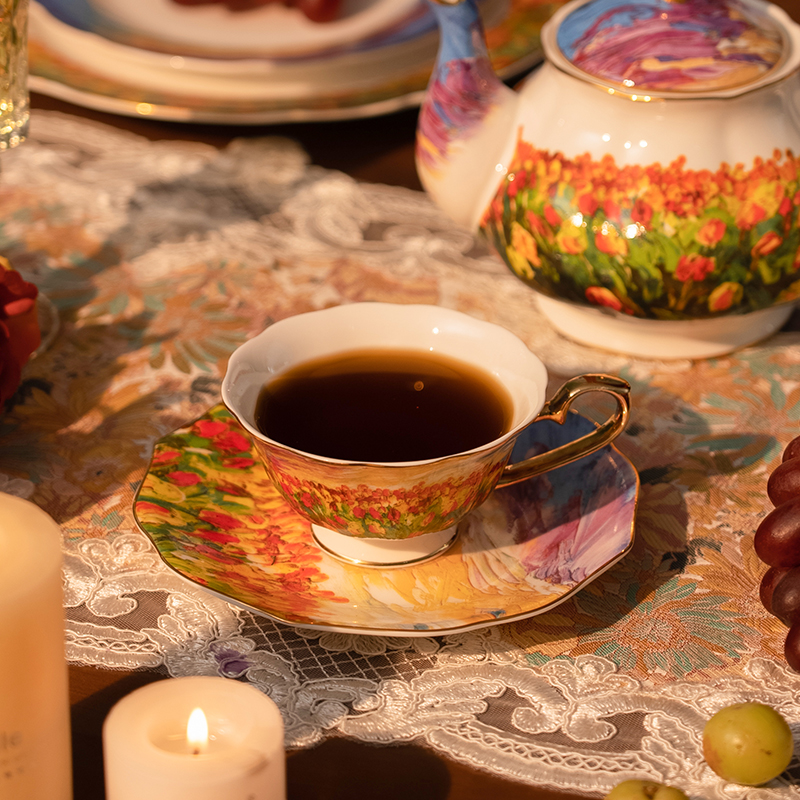
Wholesale Coffee Cup and Saucer Sets: The Complete OEM Sourcing Guide for Importers

Complete OEM sourcing guide for wholesale coffee cup and saucer sets from China: pricing, MOQ, sampling process, QC standards, and shipping options for importers.
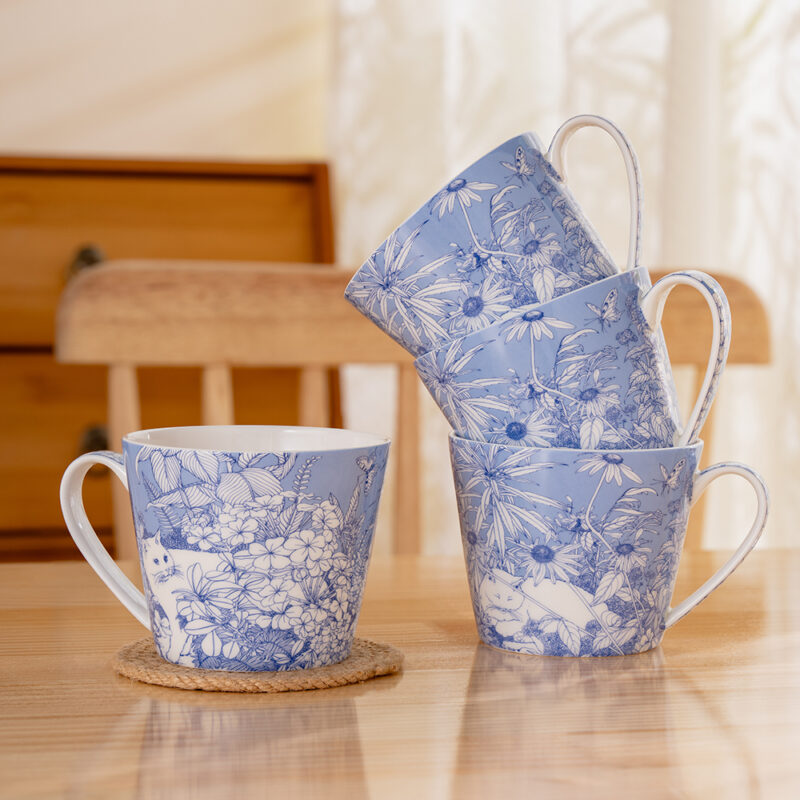
How to Order Custom Logo Mugs for Hotels & Hospitality Businesses
Complete guide for hotels and restaurants sourcing custom logo mugs from China: MOQ, printing techniques, lead times, certifications, and packaging options.
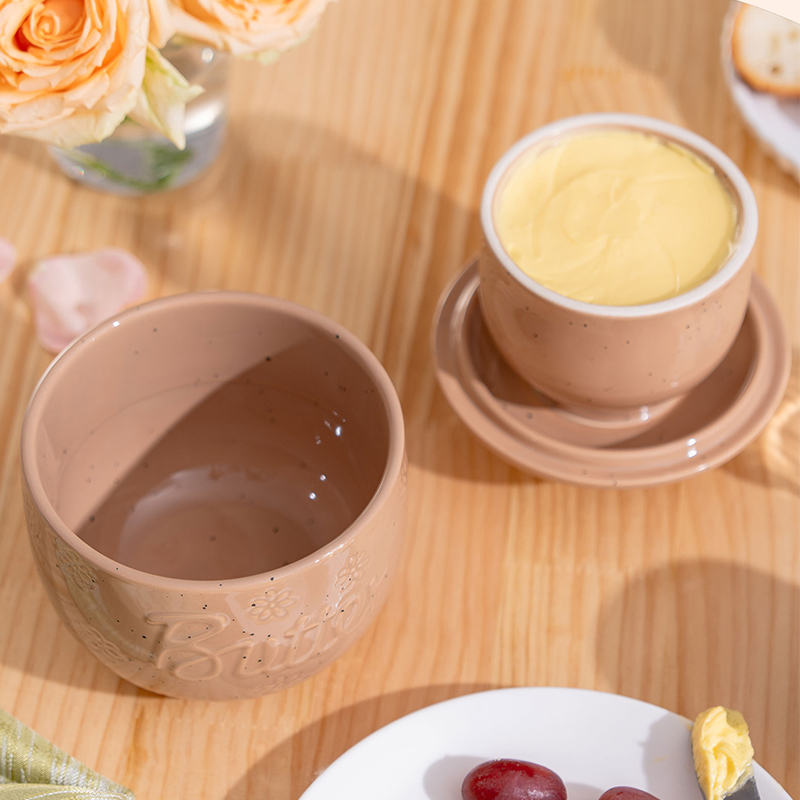
Custom Ceramic Butter Crocks for Wholesale: OEM Guide for Retailers & Importers
Planning to source custom ceramic butter crocks for wholesale? Learn about OEM options, MOQs, materials, and lead times from Artstar Homewares — a Chaozhou ceramic manufacturer supplying retailers worldwide.

